⋆⭒˚。⋆ ₊˚.⋆☾⋆⁺₊✧ ─── ⋆⋅☆⋅⋆ ─── ✧₊⁺⋆☾⋆.˚₊⋆。˚⭒⋆

Animation [Website]

Animation [Mobile]

Animation is an illusion of movement, composed of a sequence of still images or frames that are shown at a certain rate, which will make the subject appear as if it is moving. This can be done through several means such as using drawings, models or digital tools.

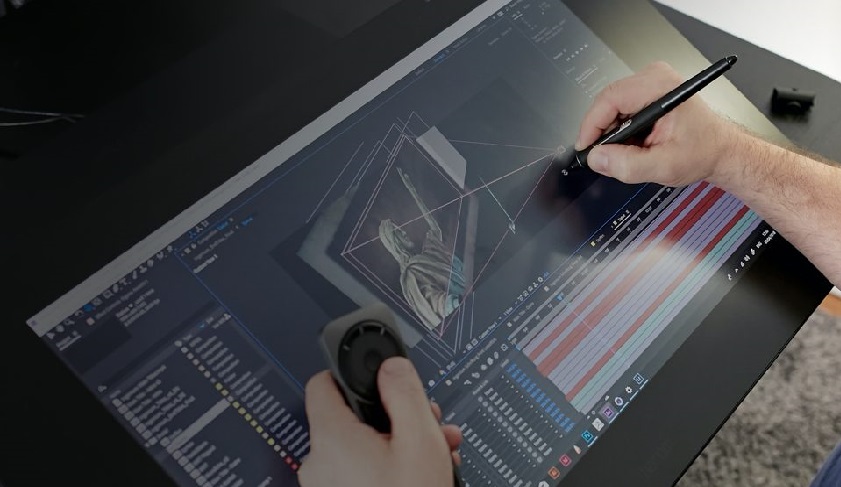
tabletforanimating

What is 2D Animation?

2D animation is the art of creating movement in a two-dimensional space. This animation technique involves characters, backgrounds, and objects that are designed and animated in flat, two-dimensional environments— typically focusing on height and width, but not depth. Movements are crafted frame by frame, either through traditional hand-drawing or with the help of digital tools.

Softwares used for 2D Animation

  • Toon Boom Harmony is a professional-grade animation software used by major studios; It supports both traditional frame-by-frame animation and rig-based animation, making it versatile for various styles.
  • Adobe Animate (formerly Flash) is a popular tool for creating interactive animations for web and games. It allows both frame-by-frame and tween-based animation, making it accessible for both beginners and professionals.
  • Adobe After Effects is not a traditional animation tool, but it is widely used for motion graphics, compositing, and 2D animation with a more cinematic or layered effect, ideal for animated intros, transitions, and visual storytelling.

Types of 2D Animation

Traditional Animation [Hand-drawn]

A classic method where each frame is meticulously drawn by hand. In some workflows, animators use cels (transparent sheets) to separate character and background layers, streamlining the production process. Though labor-intensive, this method allows for a high level of artistic expression and fluid motion.

Digital Animation

Digital tools replicate the frame-by-frame process using drawing tablets and software. It allows for faster production, easier editing, and reuse of assets (like rigs, backgrounds, or symbols). It blends traditional techniques with the convenience of modern technology.

Stop Motion Animation (2D Style)

A method where real-world, flat materials like cut-out paper, drawings, or puppets are physically moved and photographed one frame at a time. This creates a 2D animated effect with a tangible, handmade feel. Think of it as a hybrid of puppetry and animation—films.

What is 3D Animation?

3D animation is the technique of creating moving, three-dimensional images in a digital context. These visuals are made using 3D software, allowing animators to create computerized objects that look 3D even though they're on a 2D surface.

Softwares used for 3D Animation

  • Autodesk Maya is one of the industry standards for 3D modeling and animation; offers a comprehensive set of tools from character rigging and motion graphics to visual effects. Popular among professional animators and studios.
  • Cinema 4D is known for its user-friendly interface and powerful motion graphics capabilities; often used in broadcast, advertising, and design industries.
  • Blender is a free and open-source 3D creation suite, supporting modeling, rigging, animation, simulation, rendering, compositing, and video editing.

Types of 3D Animation

Character Animation

Gives life to digital characters. Through techniques like rigging (creating a skeleton for the character) and keyframing (defining movement at specific frames), characters do a lot of things and display a range of emotions. Character animation is the cornerstone of animated films, TV shows, and video games where storytelling and emotional engagement are critical.

Motion Capture (MoCap)

Motion capture technology records the movements of real-life actors using sensors or cameras. They are then mapped onto 3D digital models, allowing for realistic animation of characters. MoCap is widely used in films and in AAA video games to create fluid and natural movements.

Mechanical and Object Animation

Besides characters, 3D animation is used to animate machines, vehicles, or any non-living objects. This is common in product visualizations, commercials, and technical demonstrations, where showing the function or design of an object is essential.

Visual Effects (VFX)

3D animation plays a major role in creating stunning visual effects like explosions, smoke, water, and magical phenomena. These effects are integrated with live-action footage to enhance storytelling and realism.

What is Motion Graphics Animation?

Motion graphics animation combines graphic design and animation principles to create moving visual elements. It is animated graphic design, using text, shapes, and other visual elements set in motion to convey information, tell stories, or enhance a visual experience.

Softwares used for Motion Graphics

  • Adobe After Effects allows designers to animate, edit, and composite visual elements with precision. Its keyframe system, expression scripting, and seamless integration with Adobe Illustrator and Photoshop make it ideal for professional motion design.
  • Adobe Animate may be traditionally used for 2D character animation, but it can also be used for vector-based motion graphics, especially in web or interactive contexts.
  • Canva and other Online Editors offer basic motion graphic tools for creating social media animations and promotional videos without needing deep animation skills.

What are they used for?

Explanation Videos

Motion graphics is used to simplify complex ideas or processes, often seen in educational or product demo videos, where animated visuals help break down information, which make it more engaging and easier to understand.

Advertising

Brands use motion graphics to create eye-catching ads, product showcases, and promotional content. Animated logos, kinetic typography, and product highlight reels are all examples. These animations are ideal for social media, TV commercials, and website headers, where grabbing attention quickly is key.

Website UX/UI Design

In user experience (UX) design, motion graphics enhance interactivity and flow. Examples include animated buttons, loading indicators, scroll-triggered effects, and smooth page transitions. These animations make the interface feel responsive and polished while subtly guiding the user's actions.

Retail Experiences

In physical spaces such as stores, trade shows, or events, motion graphics are used in digital signage, interactive touchscreens, and product showcases. These animations draw attention, enhance the shopping experience, and reinforce brand identity.
What is Stop Motion Animation?

Stop motion animation is a technique that brings static physical objects to life by photographing them one frame at a time. As each frame is played back in rapid succession, the illusion of motion is created—much like an advanced, real-world flipbook. Stop motion relies on tangible materials like clay, puppets, paper, or even people. This hands-on approach gives stop motion a distinct charm, often characterized by slightly jerky, handmade motion.

How it works

Stop motion animation is made by capturing individual frames of objects or characters that are physically adjusted in tiny increments between each photo. Each adjustment represents a single frame of animation. When these frames are compiled and played at a standard frame rate (12 to 24fps), the movement appears fluid to the human eye.


Key steps include:

  • Planning: Storyboarding and designing characters/sets.
  • Set Building: Creating a physical environment where the animation takes place.
  • Animation: Moving the objects slightly, frame by frame, and taking a photo at each step.
  • Post-Production: Editing the footage, adding sound, visual effects, or digital enhancements.

Types of Stop Motion Animation

Claymation

Claymation is a form of stop motion where characters and scenes are made out of malleable clay or plasticine. Animators sculpt and reshape the figures between frames, creating expressive and organic movement. Due to the flexible nature of clay, characters can show exaggerated emotions or transform shapes easily— though it requires great care to avoid smudging or unintended distortions.

Puppet

Puppet animation involves articulated puppets, often with wire armatures or joints, posed in a miniature physical set. Each frame is captured as the puppet is slightly moved to simulate motion. This type of animation is often used for fantasy films or children's stories due to its theatrical, lifelike quality.

Pixilation

Pixilation stop motion technique where real human actors are used as frame-by-frame subjects. The actors pose repeatedly for each frame, giving the illusion that people are moving in unnatural, animated ways. This surreal effect has been used in both experimental films and music videos. It's a playful and visually striking approach that blurs the line between live-action and animation.

Cutout

Cutout animation uses flat characters, props, and environments—often made from paper, card, or photographs—manipulated frame-by-frame on a flat surface or lightbox. This method was used in early animation and is notable for its stylistic simplicity.

˖ ݁♬⋆.˚𝄞. Q U I Z .𝄞˚.⋆♬ ݁˖

Which best defines Traditional Animation? Digital frame editing Hand-drawn frames Paper cutout photos Vector-based design
What defines 3D animation? Motion graphics Real-life video editing Simulated depth in motion Hand-drawn 2D frames
What is Motion graphics best for? Realistic character acting Complex 3D modeling Visual storytelling with design Manual frame drawing
Which stop motion technique uses real people as frame-by-frame subjects? Claymation Puppet animation Cutout animation Pixilation

˖ ݁♬⋆.˚𝄞. M A T C H _M I N I G A M E .𝄞˚.⋆♬ ݁˖